Stop Making the Hardest Decisions
of Your Business Alone.
It's 11:47 pm. The decision has been circling for three weeks. Your team is asleep. Your advisor doesn’t have office hours. But the decision won’t wait. In 8 minutes, six of history's sharpest strategic minds will argue about it in a room you build — until the answer surfaces.
Every night you decide alone is another night the answer stays buried.
Bring one stuck decision. Leave with the full transcript, the synthesis, and your next three moves. Yours forever.
No credit card · No setup · First session in under 60 seconds
Real Session
See what happens when six minds collide on a real problem.
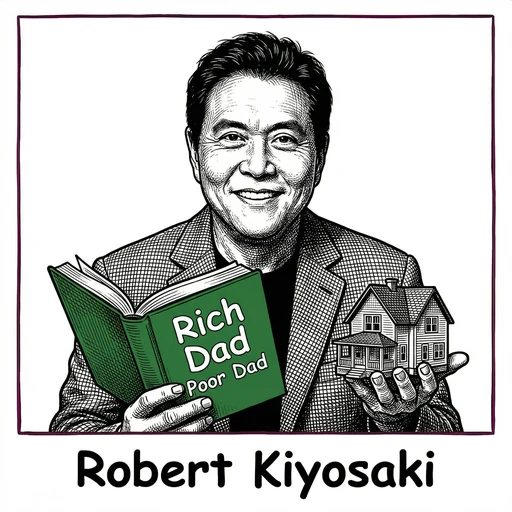
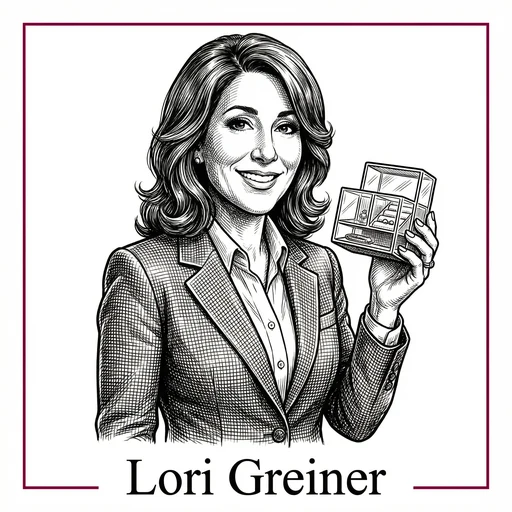
A SaaS founder at $400K ARR can't figure out why growth stalled. She's been stuck for five months. She's tried new pricing, new positioning, a new homepage. Nothing moved the needle. She brings it to a council: Hormozi, Munger, Blakely, Kennedy, Brunson, Abraham.

HORMOZI
Your pricing isn't the problem. Your offer is. You're selling access to a tool. Nobody pays a premium for access. They pay for a specific outcome delivered in a specific timeframe with the risk removed. Right now your landing page says what your product does. It doesn't say what your customer becomes. That's why growth stalled — you solved the awareness problem but you never solved the desire problem.
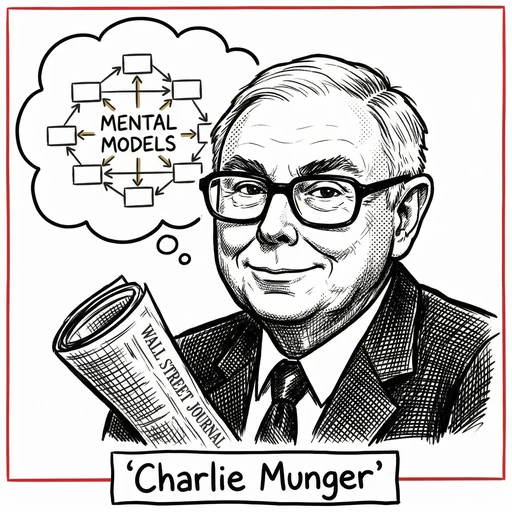
MUNGER
I'd invert this. Instead of asking why growth stalled, ask: what would have to be true for a customer to refuse to cancel? If you can't answer that in one sentence, you don't have a retention problem. You have an identity problem. The product doesn't mean enough to them.

BLAKELY — interjecting
Hold on — I want to challenge something. You said you tried new positioning. But did you talk to 20 customers who stayed and ask them why they stayed? Not why they signed up. Why they stayed. That's a different question. In my experience, the positioning you need is hiding in the language your best customers already use about you. You don't write it. You find it.
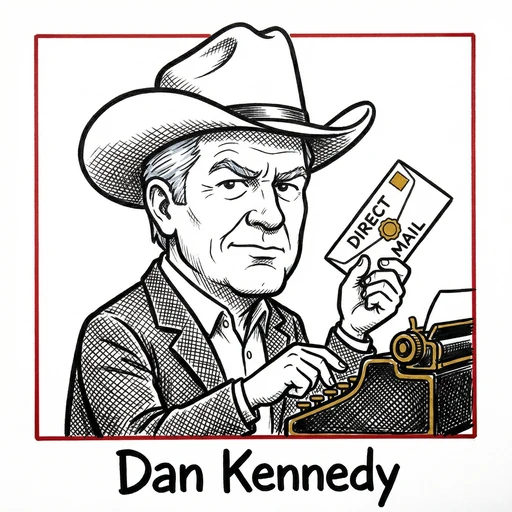
KENNEDY
You're all circling the same point but nobody's said it directly. She's selling to everyone. The stall happened because the early adopters who loved it are a different audience than the mass market she's now trying to reach. The pricing, positioning, and copy that worked at $100K won't work at $400K because the buyer changed. The fix isn't better marketing. It's choosing who you're for now.
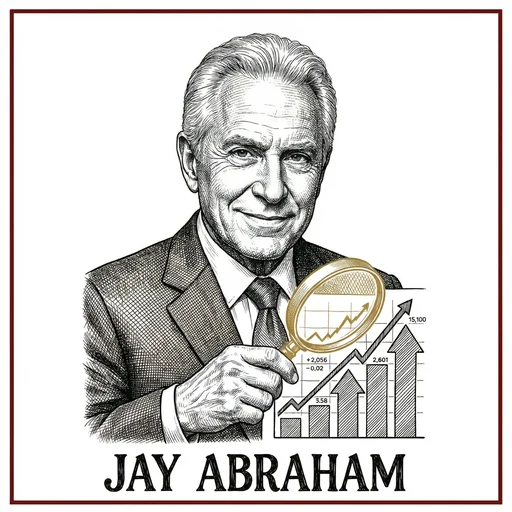
ABRAHAM — interjecting on Kennedy
Dan's right, but there's a faster diagnostic. Look at where your referrals come from. Not your marketing — your referrals. That will tell you exactly who loves you enough to tell someone else. That's your real audience. Everything else is a hypothesis.
THIRD MIND SYNTHESIS
The council is converging on something none of them proposed individually. The stall isn't a pricing problem, a positioning problem, or a copy problem. It's an identity transition. The product outgrew its original audience and hasn't yet chosen its next one. The fastest path forward: interview the 20 customers who stayed longest and map the referral sources. The positioning lives there, not on a whiteboard.
That session took 8 minutes.
The founder had spent five months trying to solve it alone.
The most expensive decision you'll make this year
is the one you're making alone right now.
Location: Houston, TX
Dear founder,
I've spent 35 years building technology companies. And the most expensive mistakes I ever made had nothing to do with the technology.
They happened when I was the smartest person in my own room.
A wrong pricing decision at a $500K business doesn't just leave money on the table. It compounds. Over 12 months, that's $100,000 to $150,000 in revenue that never existed.
A wrong hire doesn't cost the salary. It costs the onboarding, the three months of underperformance, the morale damage, and the search for their replacement. $50,000 to $150,000 for a single bad call.
A wrong product launch doesn't cost the campaign budget. It costs the development time, the three months of wrong messaging burning your audience, the pivot to reposition, and the launch you should have done first. $80,000 to $200,000 for a single bad call.
And then there's the decision you keep pushing to next quarter. You already know which one I'm talking about. The one that gets heavier every week, not lighter.
Not because you're not smart enough.
Because one brain in one room will always hit the same walls.
I know because I hit that wall on the hardest decision of my life, and what we built to solve it became the platform you're looking at right now.
The bottleneck was never information. It was the room.

The letter just told you what deciding alone costs. Here's what joining a room has historically cost.
What the room has always cost.
| What You're Comparing | Annual Cost | What You Get |
|---|---|---|
| Executive coaching | $24,000 – $60,000/yr | Weekly 1-on-1 sessions with a single advisor. |
| Vistage CEO group | $15,000 – $25,000/yr | Monthly peer meetings. 12 business owners. |
| EO membership | $5,000 – $10,000/yr | Monthly peer forums. 8-12 members. |
| Strategic Coach | $15,000/yr | Quarterly workshops. |
| Genius Network | $25,000/yr | Two events per year. |
| Strategy consultant | $10,000 – $50,000 | One engagement. One deliverable. |
| Invisible Council | $97 for 30 days | 60+ minds. 10 complete sessions. No schedule. No application. Tonight. |
Sources: Vistage — Long Angle. EO/YPO — Leadership Sales Training. Executive coaching — MosierData. Strategy consulting — Leaders ADAPT.
Strategic Breakthrough Session
30 days of full council access
one-time · no subscription
The Assumption Guarantee: If your council session doesn't surface at least one specific, actionable insight you couldn't have reached thinking alone, we refund your money and pay you $50 for wasting your time.
Already know you want ongoing access?
Where This Comes From
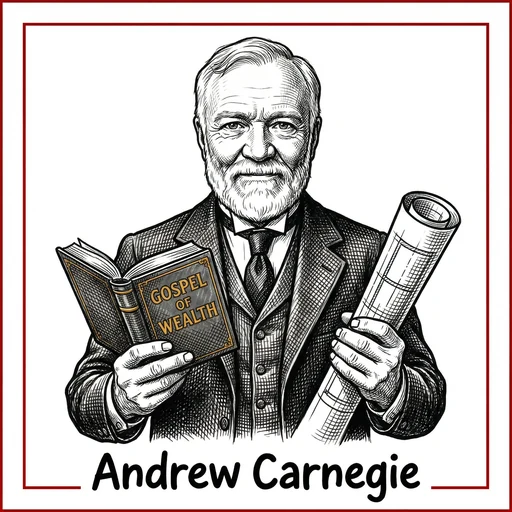
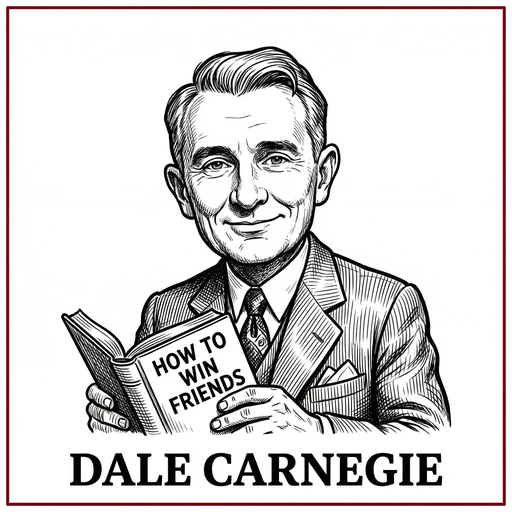
Andrew Carnegie built a steel empire knowing nothing about steel.
He wasn't a metallurgist. He wasn't an engineer. He was a man who figured out that the best decisions of his life weren't made alone — they were made inside a room of minds that collided hard enough to surface what no single mind could see.
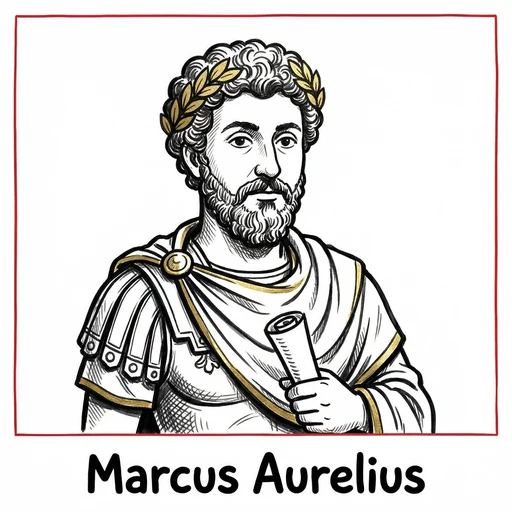
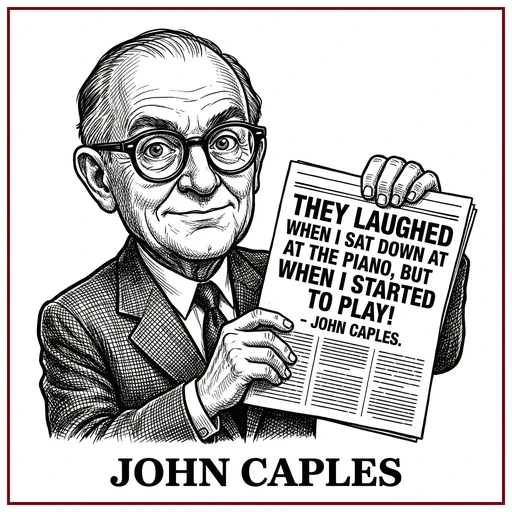
He called it his Master Mind. Napoleon Hill spent 25 years studying it. It became the foundational principle behind Think and Grow Rich, and it's the reason Carnegie, Ford, Edison, and Firestone all built their empires through structured, engineered rooms of colliding minds.
The problem has always been access.
You cannot assemble a room of Hormozis, Mungers, and Blakelys. Even if you could afford the mastermind — and most run $25,000 to $100,000 a year —
None of them are available at 2am when the decision has been keeping you up for three weeks.
That's the problem this room solves.
How It Works
Your on-demand advisory board in four moves.
Tell us what's keeping you up tonight.
No prompt engineering. No framework. Just say what's real — the decision, the doubt, the thing you can't see clearly.
Six minds walk into the room.
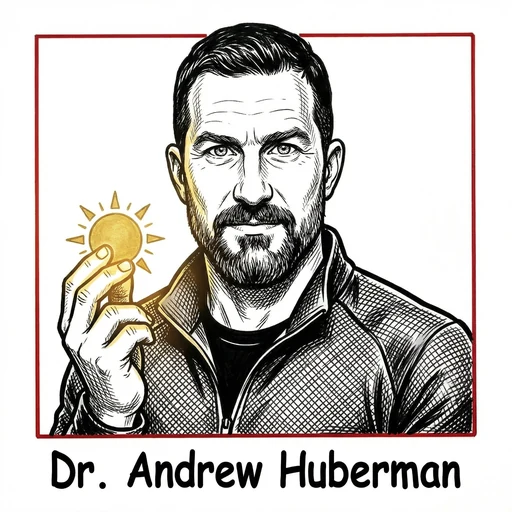
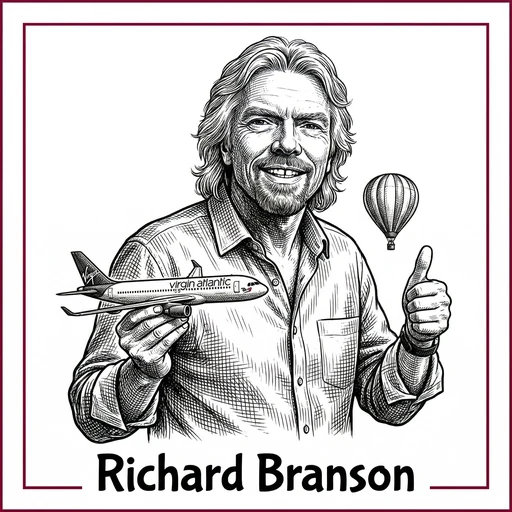
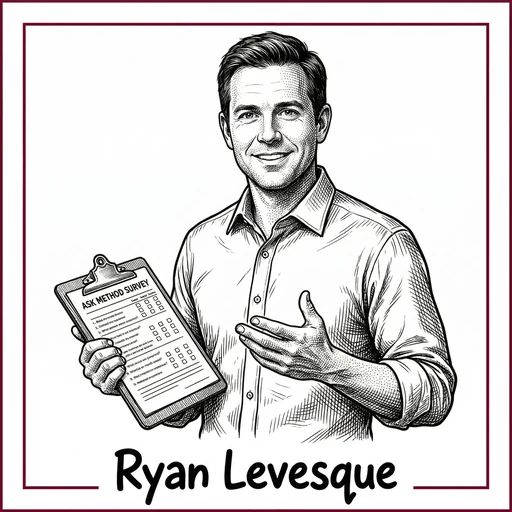
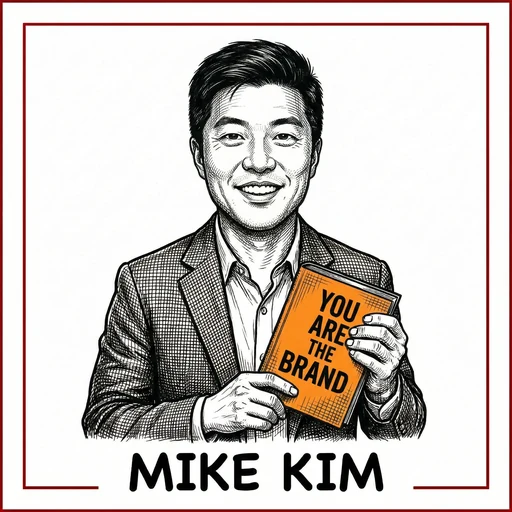
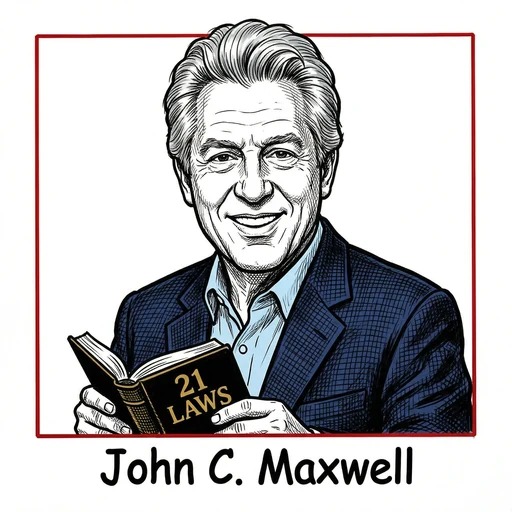
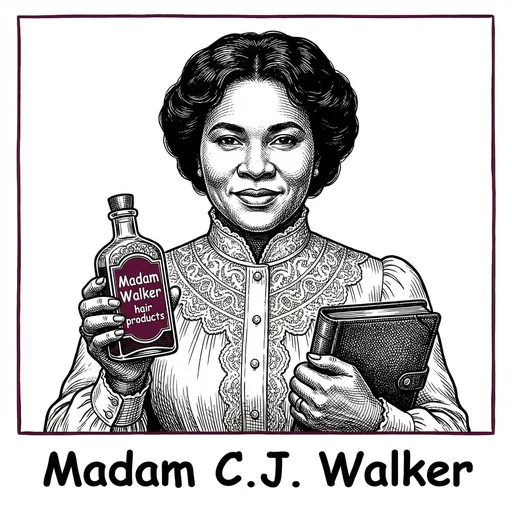
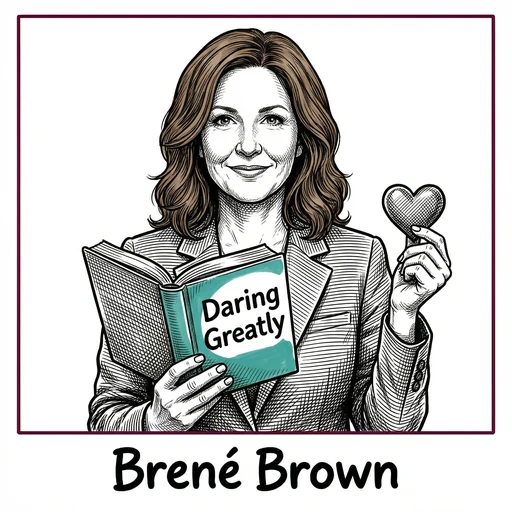
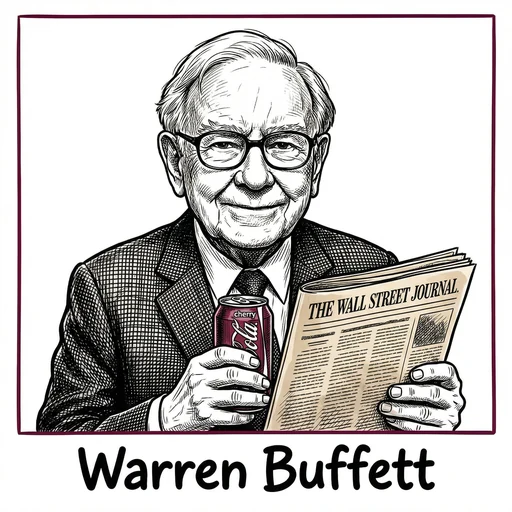
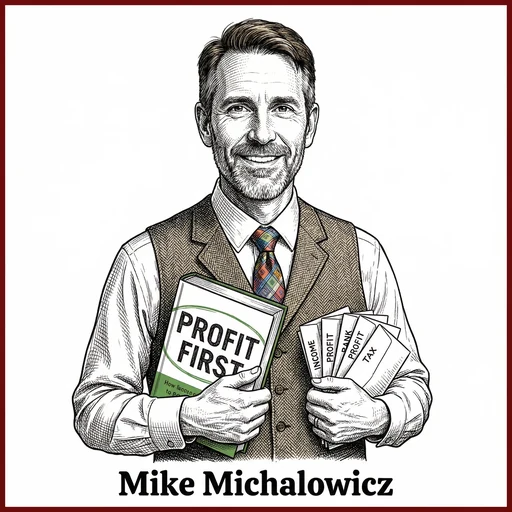
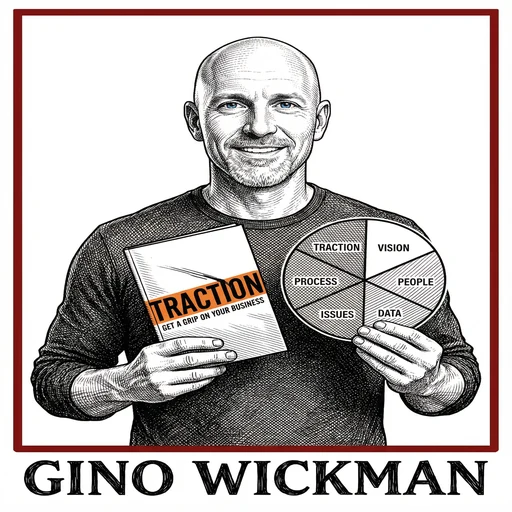
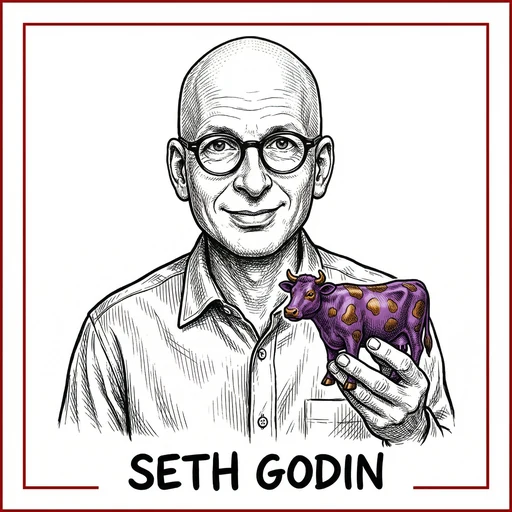
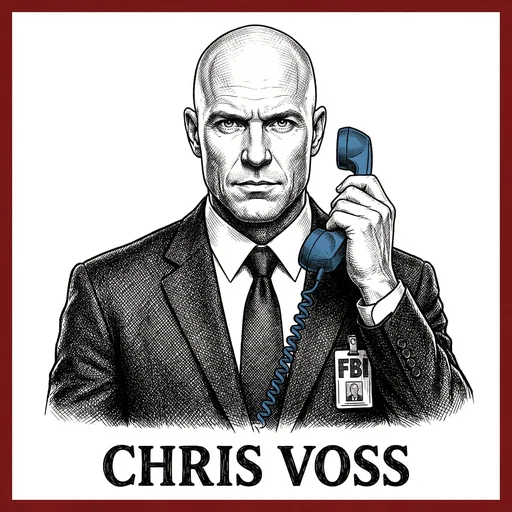
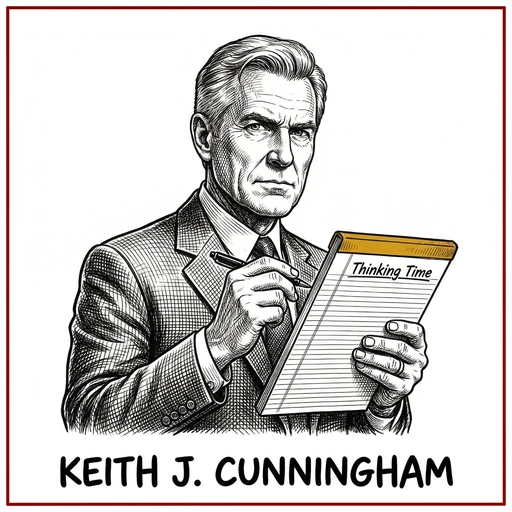
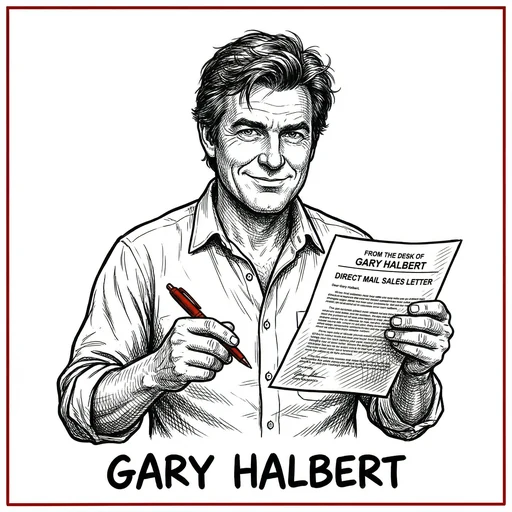
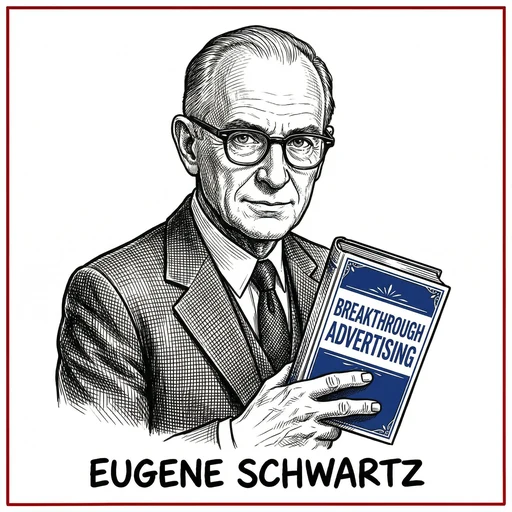
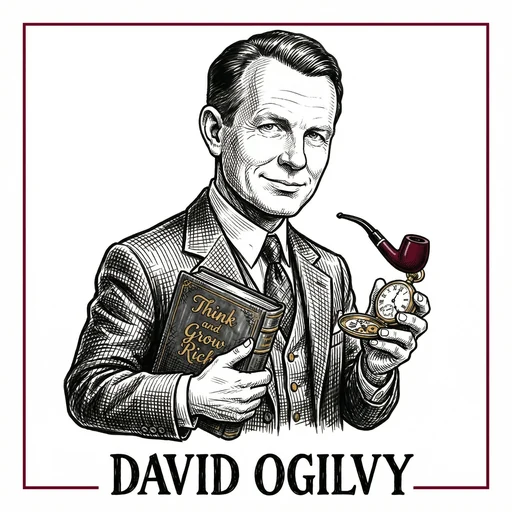
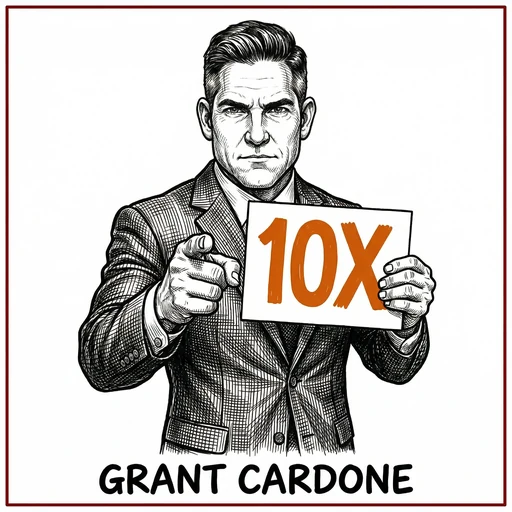
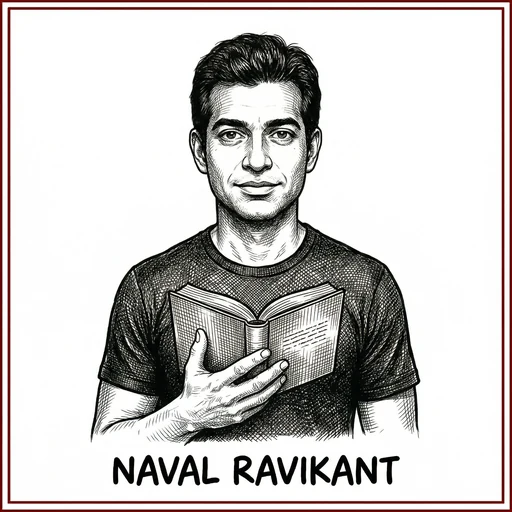
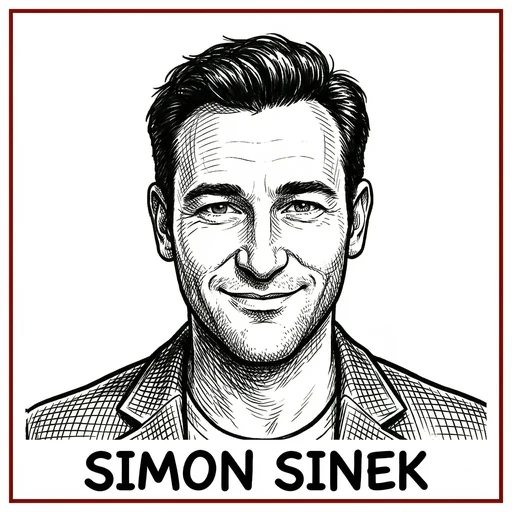
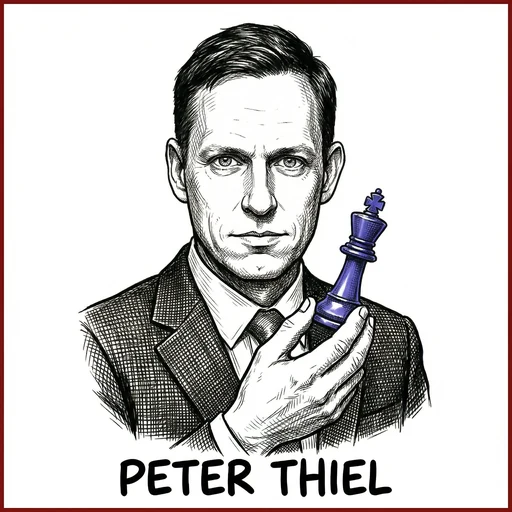
We assemble the right council for your specific problem — from 60 minds built from their actual books, interviews, and documented decisions.
They argue until the answer surfaces.
Not a summary. Not a synthesis of averages. Six voices colliding hard enough that something emerges none of them could have said alone.
You keep everything — forever, free.
The transcript, the synthesis, and your next three moves. No paywall. No expiration. Yours to re-read, share, or act on.
If you just need a quick answer to a factual question, use ChatGPT.
It's faster and it's free.
But if you're making a decision that will shape the next year of your business — and you can't afford to get it wrong — you need a room, not a chatbot.
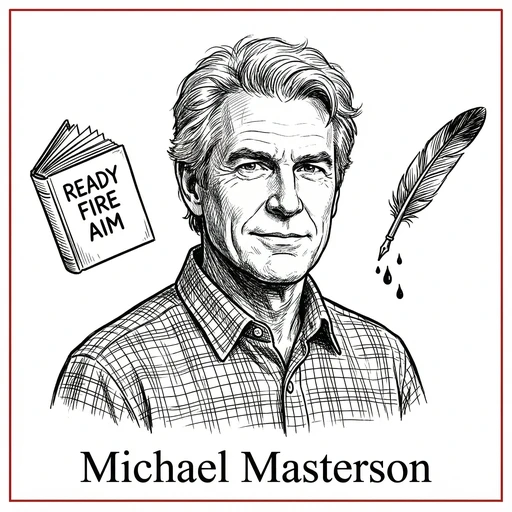
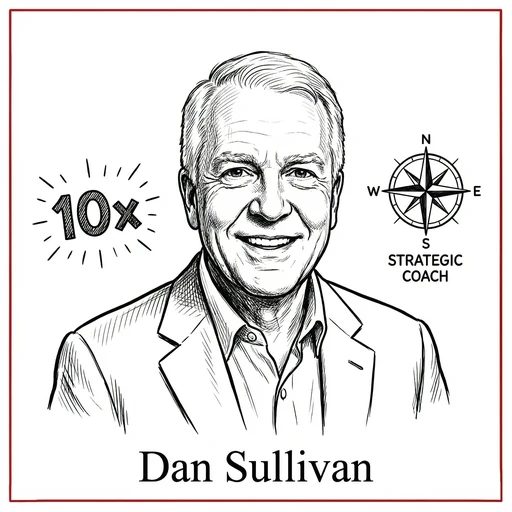


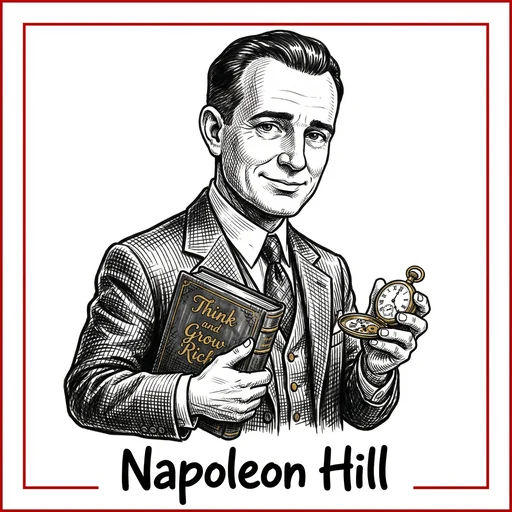
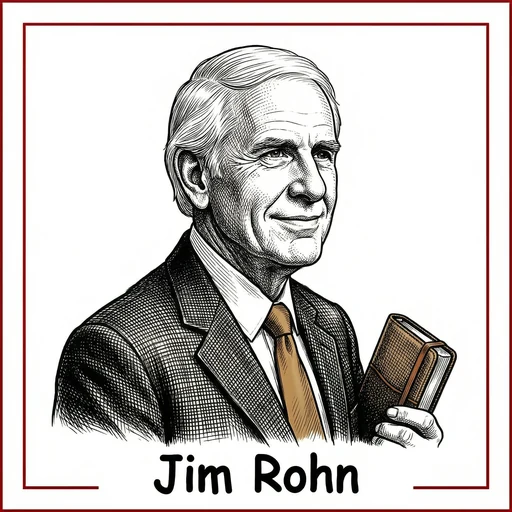
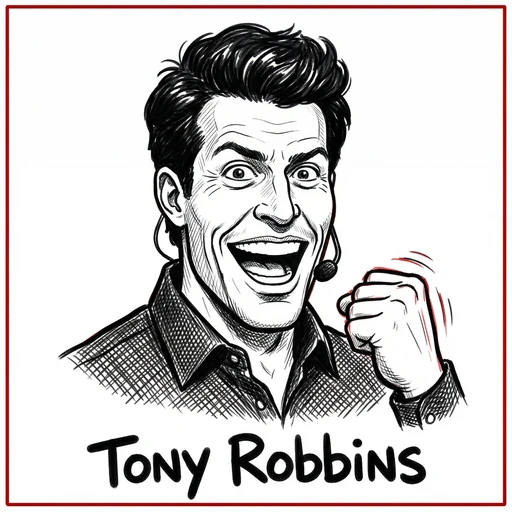
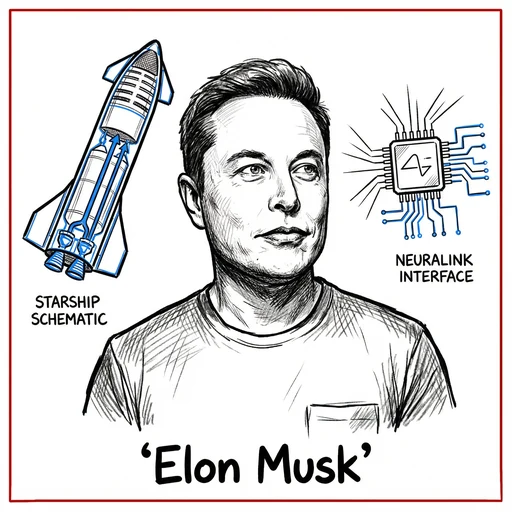
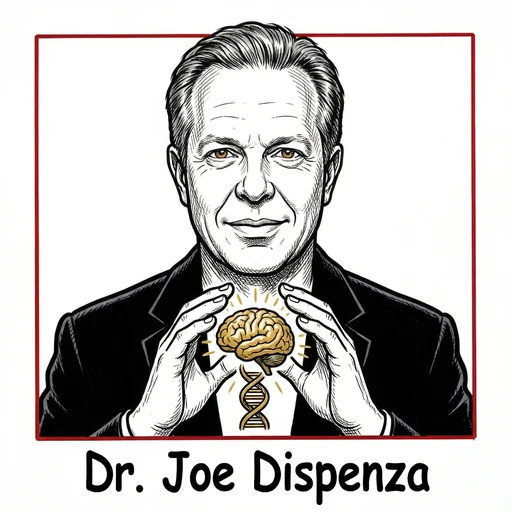

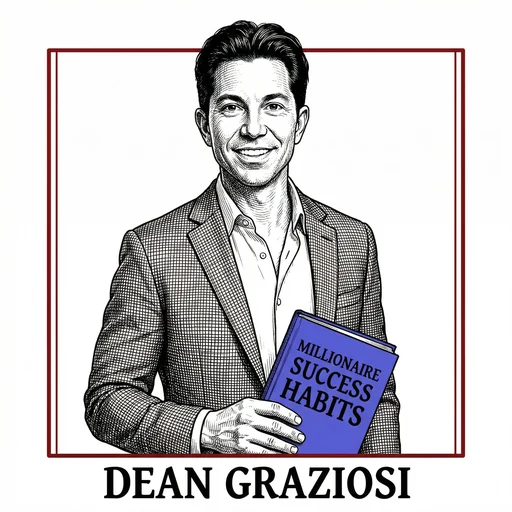
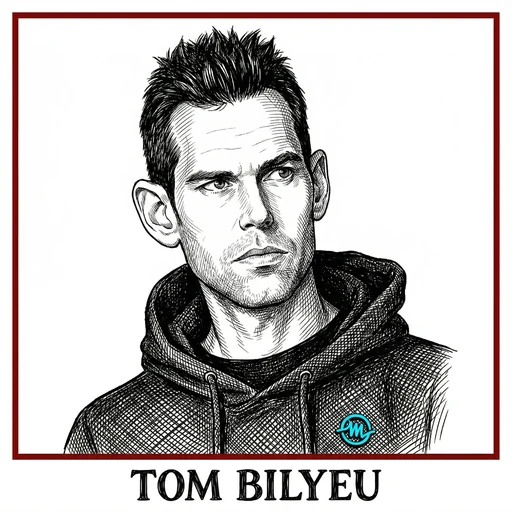
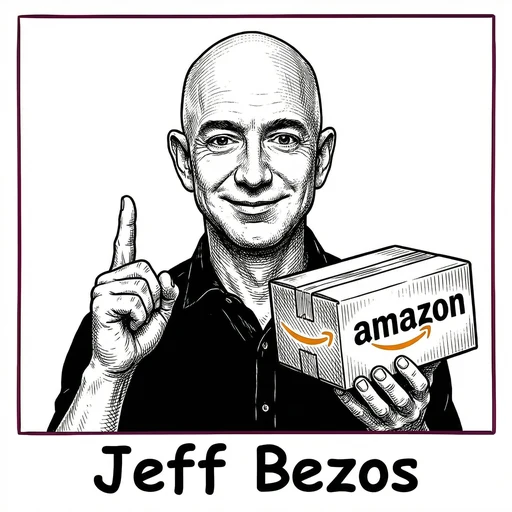
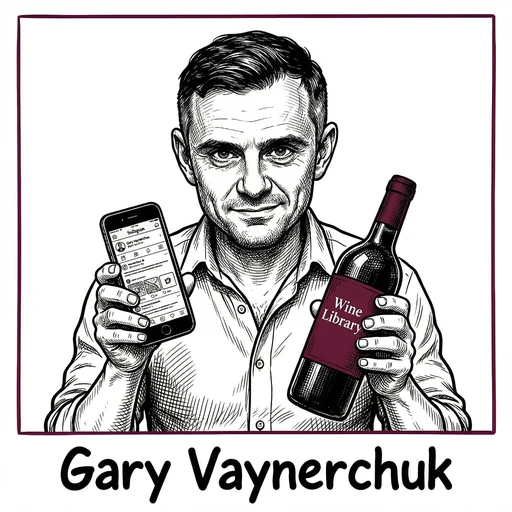
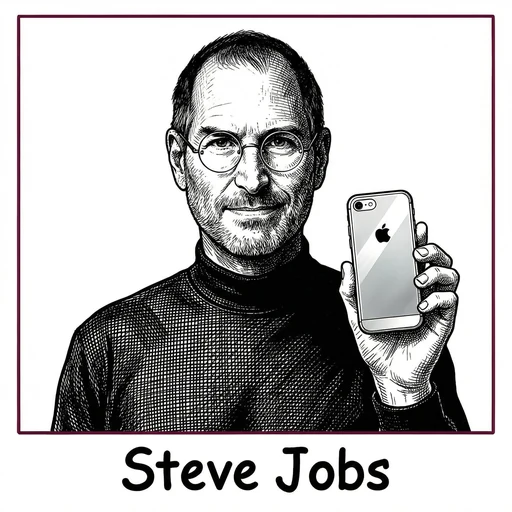
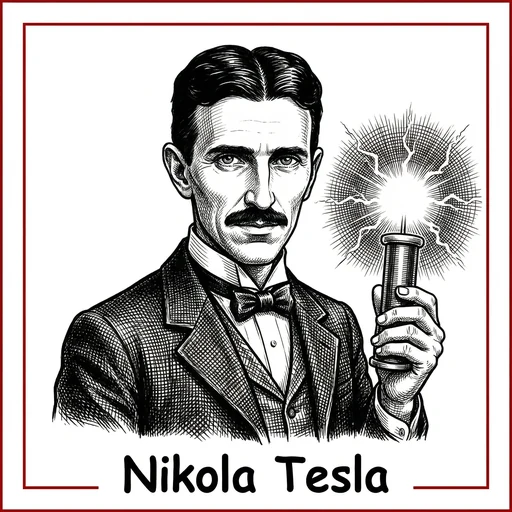
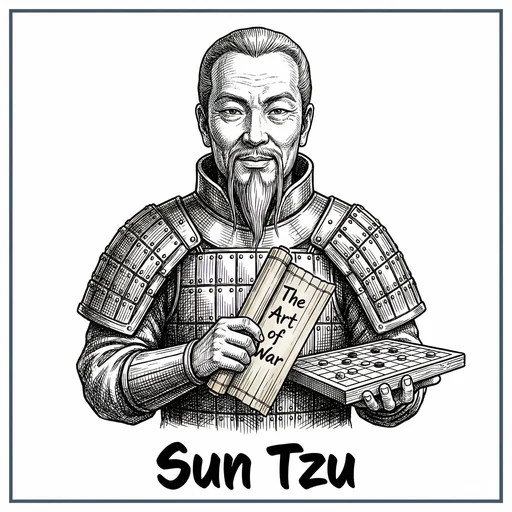
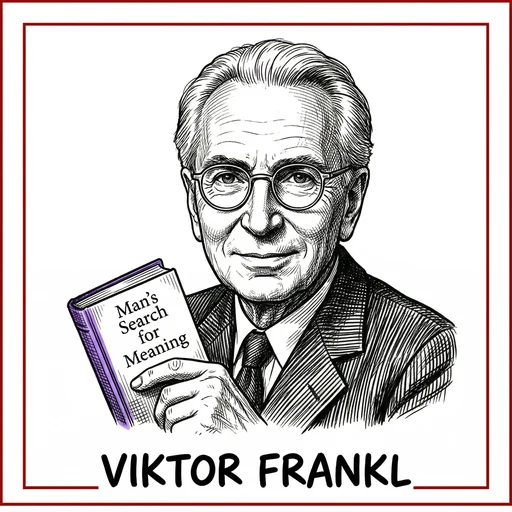

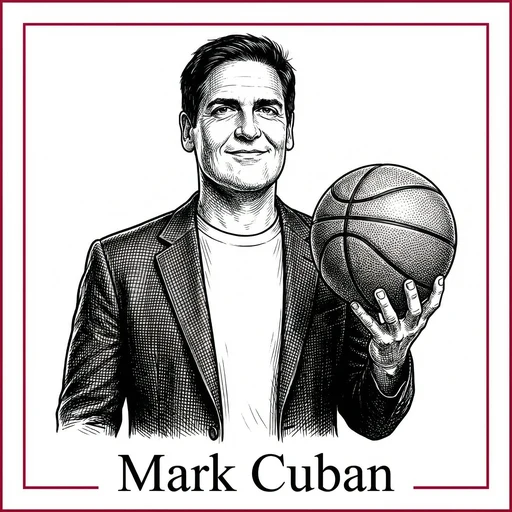
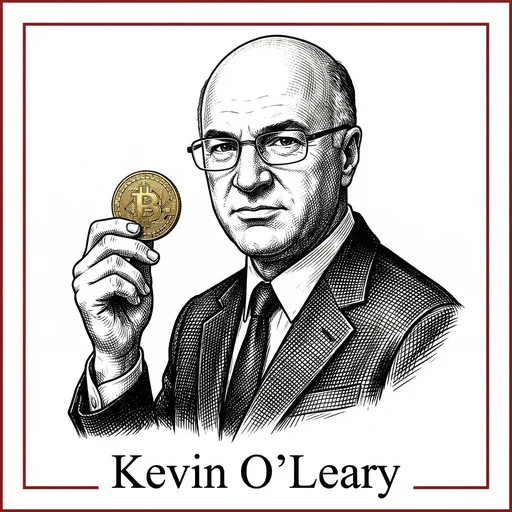
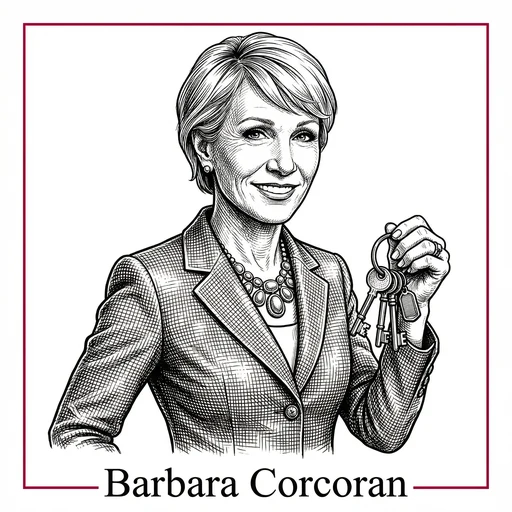
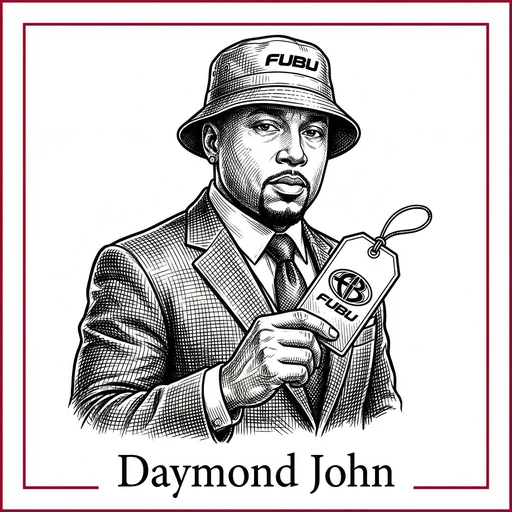
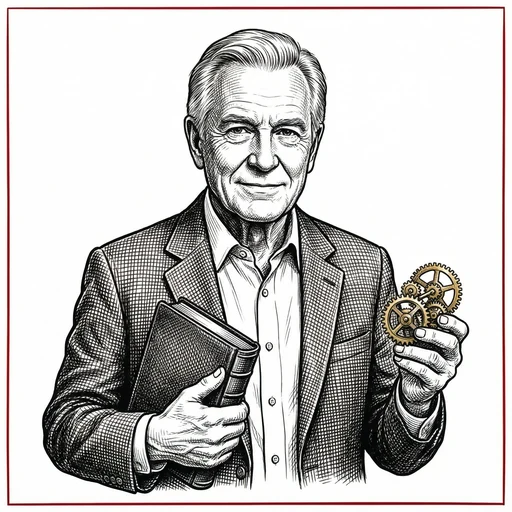
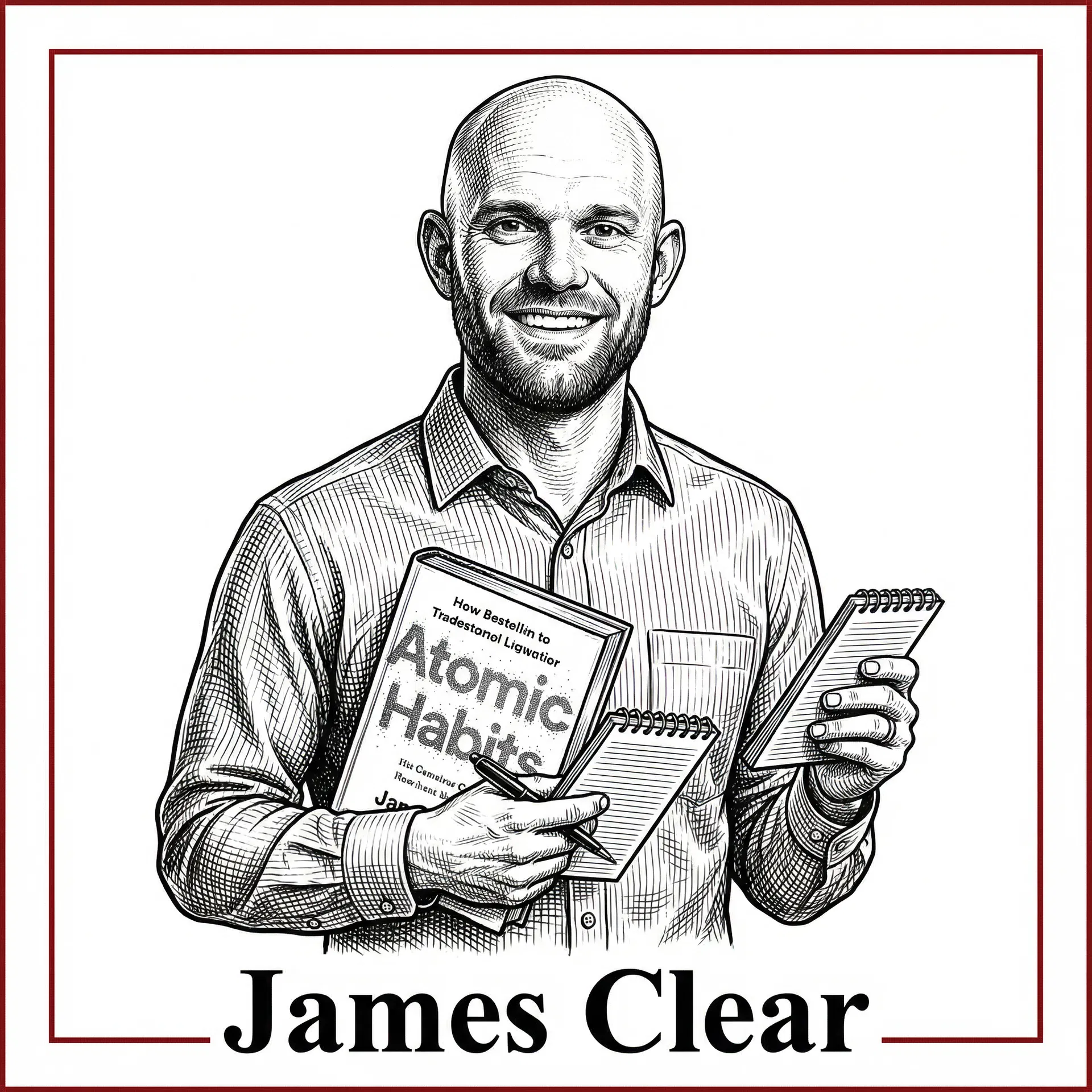
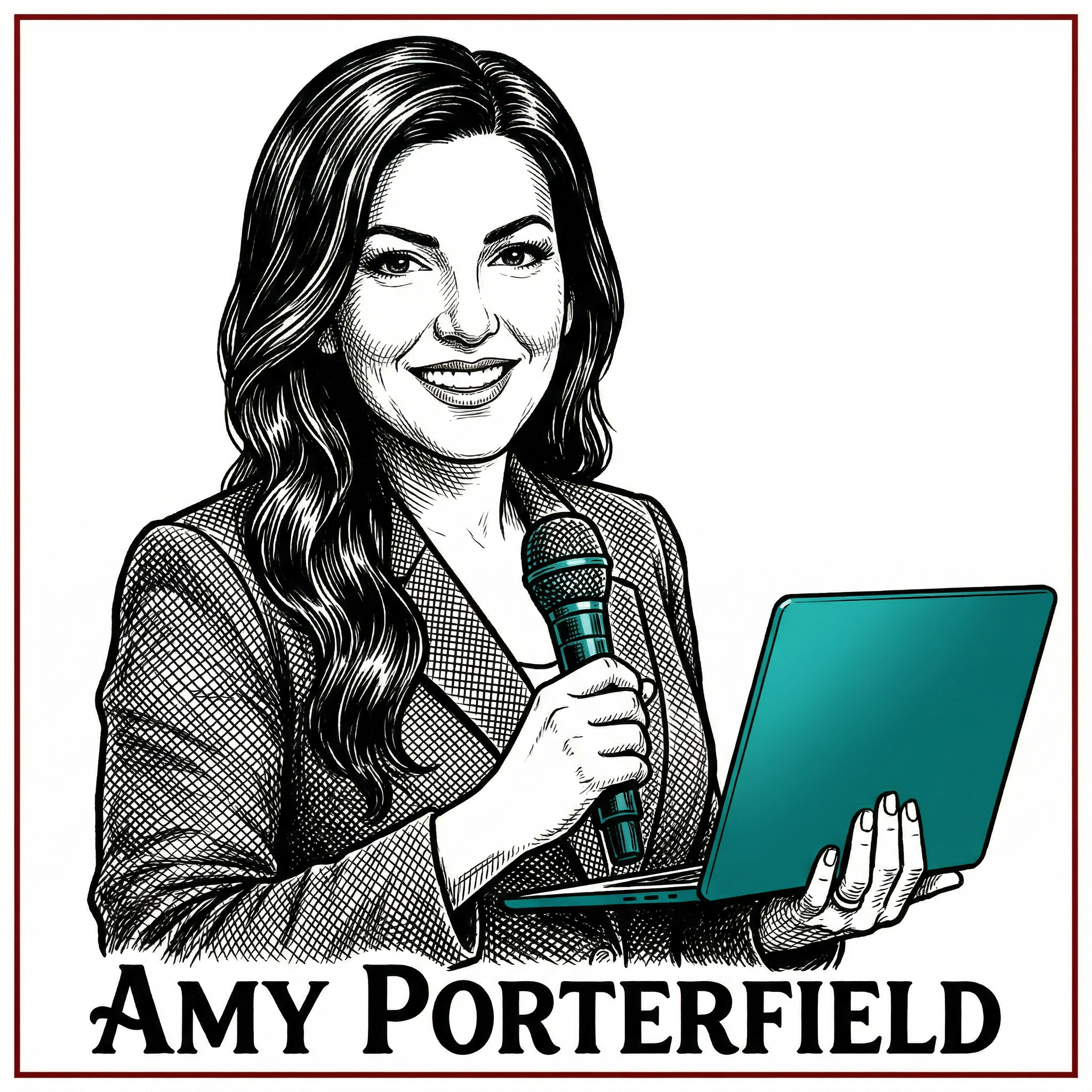
Built Different
We Don't Replicate What They Know. We Engineer How They Think.
Before a single mind joins the Council, we spend months inside their recorded life.
Every book they published.
Every podcast episode they appeared on.
Every interview, speech, Q&A, and panel we can find a transcript or recording for.
Every documented decision.
Every framework they named.
Every case study they taught.
Between 2.4 and 3.2 million data points per mind.
All of it fed into a proprietary cognitive architecture — nine layers deep — that maps not what they said, but how they processed what reached them. The patterns. The reflexes. The second-order moves. The objections they'd raise before you finished your sentence.
That's why the output isn't a chatbot wearing a costume. It's the closest working model we know how to build of that person's actual strategic thinking.
Munger doesn’t quote Berkshire letters. He runs your decision through his mental model lattice — inversion, second-order effects, margin of safety — the same cognitive machinery he’s used for 60 years.
Hormozi doesn’t recite playbooks. He deconstructs your offer through his Value Equation the way he’s done for 1,000+ businesses.
Blakely doesn’t repeat talking points. She challenges your assumptions the way she did when she invested $5,000 to launch Spanx.
That's the difference between an impression and an engine.
Your Stage
Choose the room built for your stage.
Who This Is For
“The person building their empire after hours, making decisions alone at midnight with no board of directors and no mentor to call.”
— Gary Stone, Serial Entrepreneur
This isn't for everyone. It's for the ones who are done deciding alone.
The Founder at a Crossroads
Revenue stalled. Team growing. Decisions getting heavier. You need a room that can hold the weight of what you're building — not another chatbot that gives you a list.
The Consultant Who Advises Everyone Except Themselves
You solve everyone else's problems. But when it's your business, your pricing, your positioning — you go quiet. This room gives you the collision you give your clients.
The Operator Who's Tired of Thinking Alone
You've read the books. You've done the courses. You don't need more information. You need a room that challenges your assumptions and surfaces what you can't see.
Why This Exists
This wasn't supposed to be a platform.

Heidi. The reason this room exists.
Heidi is the reason this room exists.
My granddaughter.
September 2025 she was diagnosed with inoperable brain cancer.
I had spent 35 years building technology. A decade in neuroscience, studying how the brain actually makes decisions. Eight years teaching Think and Grow Rich because it had changed my life.
All of it led to that moment.
The specialists were brilliant. Every single one of them.
But each one saw her through their own lens. Nobody had ever made them think together. Nobody had ever put all of their frameworks in the same room on the same problem at the same time.
So I built cognitive models of every specialist we had access to — and ran a session where all of them were in the room simultaneously.
Three connections surfaced that no single doctor
had found working alone.
Not because they weren't brilliant.
Because nobody had ever made them collide.
Something else happened that night.
I realized I wasn't the one who needed this. The doctors were. The researchers were. Every family facing a diagnosis they couldn't find their way through was.
That was the moment the platform was born.
A few weeks later I applied the same architecture to a business problem.
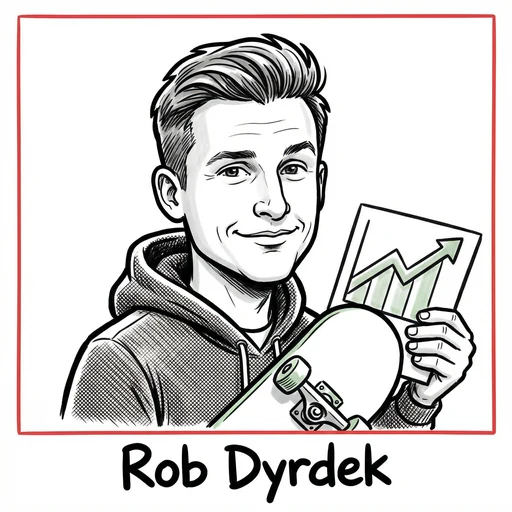
The council was Hormozi, Munger, Kennedy, Musk, and Dyrdek. Yes — the skate guy. I know. I think he's a genius at the specific thing I was working on.
The council collided on my problem for forty minutes.
They produced an answer none of them had proposed individually.
That was the night I understood what I had actually built.
I didn't set out to build a platform.
I set out to solve a problem nobody should have to solve alone.
The platform was what came out of the collision.
Napoleon Hill spent 20 years documenting the Master Mind principle. He called it the closest thing to infinite intelligence he had ever encountered.
He was describing an engineering problem.
Nobody solved it for 87 years.
This is the solution.
The Cost of Staying Stuck
Every week costs more than you think.
That pricing decision you’ve been circling for three weeks? At a $500K business, that’s already cost you between $6,000 and $9,000 in revenue you should have captured.
That hire you’re not sure about? Every week of delay is $1,000–$3,000 in team productivity bleed.
That pivot you’re considering? Every week of indecision is a week your competitors are closing on your window.
You don't have another month.
You probably don't have another week.
What They're Saying
Real decisions. Real outcomes. Real people.
I brought a pricing question I'd been stuck on for three months. The council gave me a reframe in 8 minutes that I couldn't have reached in three more months of spreadsheets. Raised prices 40%. Zero churn.
Raised prices 40%. Zero churn.
James R.
SaaS Founder, $1.2M ARR
I use this before every major client engagement now. It's like having a board of advisors who actually disagree with each other — which is exactly what I need.
a board of advisors who actually disagree
Sarah K.
Executive Coach
I was about to fire my operations lead. Brought it to the council instead. They surfaced a structural problem I couldn't see. Restructured instead of firing. Best decision I made this year.
Restructured instead of firing.
Marcus T.
Agency Owner, 12 employees
The Third Mind synthesis is genuinely spooky. It surfaces things none of the individual minds said. That's the product. That's what you're paying for.
The Third Mind synthesis is genuinely spooky.
Elena V.
Course Creator, $800K/yr
I've been in $50K masterminds. This gives me 80% of the value at a fraction of the cost — and it's available at 2am when I actually need it.
80% of the value at a fraction of the cost
David L.
Real Estate Developer
I was paralyzed by my go-to-market strategy. Six minds argued about it for 8 minutes and I had my launch plan. Launched two weeks later. First $10K month.
First $10K month.
Rachel M.
Startup Founder, Pre-revenue
Questions
Everything you're wondering.
The decision you've been circling? Bring it tonight.
One question. Six minds. Eight minutes.
The transcript, the synthesis, and your next three moves. Yours forever. Free.
No credit card · No setup · First session in under 60 seconds
"When two or more minds coordinate in a spirit of harmony toward a definite purpose, a third mind emerges — greater than the sum of its parts."
— Napoleon Hill, Think and Grow Rich